NASA Unveils Plans for Manned Mission to Mars by 2030
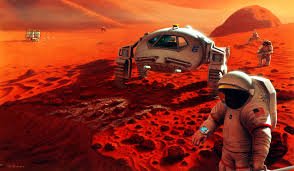
NASA has unveiled ambitious plans to send humans to Mars in the 2030s, marking a significant milestone in space exploration. This initiative aims to deepen our understanding of the Red Planet and lay the groundwork for future interplanetary missions.
Mission Overview The proposed mission envisions a round-trip journey to Mars, with astronauts potentially spending up to 500 days on the planet's surface. The voyage would cover approximately 250 million miles each way, taking about six to seven months per leg. This extended stay is designed to maximize scientific research and exploration activities on Mars Technological Advancements
To realize this mission, NASA is advancing several key technologies:
-
Propulsion Systems: Developing efficient propulsion methods to reduce travel time and ensure the safety of the crew.
-
Life Support Systems: Creating sustainable life support systems capable of supporting astronauts for extended periods in the harsh Martian environmen